

Mold Remediation Denver is crucial due to the city's favorable conditions for mold growth. While DIY methods may help minor cases, extensive or toxic mold requires professional specialists who use advanced equipment and strict protocols for safe removal. Early consultation is recommended post-flooding or for severe infestations to ensure compliance with EPA standards and restore healthy living environments.
Mold growth is a prevalent issue in homes across Denver, posing significant health risks and property damage concerns. Effective mold remediation is crucial for maintaining a healthy living environment. The question arises: should homeowners tackle this challenge themselves or seek professional assistance? This article provides an in-depth exploration of the DIY versus professional mold remediation debate in Denver. We’ll examine the intricacies, potential pitfalls, and benefits of each approach, empowering you to make an informed decision tailored to your unique circumstances.
- Understanding Mold Growth in Denver Homes
- DIY vs. Professionals: Evaluating Mold Remediation Options in Denver
- Effective Strategies for Mold Remediation in Denver: A Comprehensive Guide
Understanding Mold Growth in Denver Homes
Understanding mold growth in Denver homes is a critical step in navigating the complex landscape of mold remediation. The city’s unique climate, characterized by mild winters and frequent rainfall, creates an ideal environment for mold to thrive. Moisture levels elevated above 50% provide the perfect conditions for various mold species to develop and spread, often undetected until significant damage has occurred. Denver mold remediation thus involves addressing this insidious problem, whether through DIY methods or enlisting the expertise of specialized professionals.
While some homeowners may opt for do-it-yourself (DIY) mold cleanup and removal, it’s essential to recognize that Denver’s specific mold challenges often require sophisticated solutions. Standard household cleaning products might not effectively eliminate all types of mold, especially after it has infiltrated surfaces, drywall, or insulation. Natural mold removal solutions can be effective for minor cases, but addressing extensive mold growth may necessitate the services of qualified mold remediators in Denver. These professionals are trained to identify hidden mold sources, utilize specialized equipment, and implement industry-standard protocols for safe and thorough mold remediation Denver homes require.
Data from recent studies indicates that improperly handled mold cleanup can lead to health complications for residents. The Environmental Protection Agency (EPA) emphasizes the importance of proper training and equipment when addressing mold issues. Hiring Denver mold cleanup specialists ensures compliance with these standards, minimizing risks associated with mold exposure. Moreover, professionals employ advanced techniques like air sampling to confirm mold removal, providing homeowners with assurance that their homes are safe and healthy again.
DIY vs. Professionals: Evaluating Mold Remediation Options in Denver
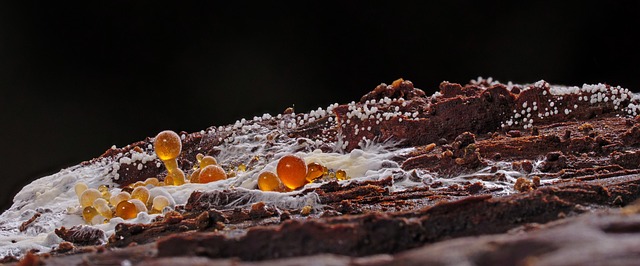
In Denver, as in many places, mold can pose significant health risks to residents. The presence of mold—especially toxic black molds—in homes or buildings is a growing concern for local health authorities. According to recent studies, prolonged exposure to mold spores can lead to respiratory issues and other chronic health problems, particularly for children, the elderly, and individuals with compromised immune systems. Given these risks, evaluating whether to handle mold remediation in Denver as a DIY project or enlisting professional help is critical.
Professional mold inspection services in Denver offer several advantages that DIY methods cannot match. Trained specialists employ advanced equipment, such as moisture meters and air quality monitors, to identify the extent of mold contamination accurately. They can pinpoint hidden mold growth behind walls or under flooring, areas often overlooked by homeowners. Moreover, professionals conduct thorough inspections not only for mold but also for potential health hazards associated with water damage, which frequently accompanies mold growth. In Denver, where winters are snowy and wet, these dangers are particularly pertinent.
Hiring certified professionals for Biohazard Cleanup Denver is especially recommended in cases of severe mold infestation or when dealing with toxic molds. They follow strict protocols to ensure safe removal of hazardous materials, using specialized equipment and products that minimize further contamination. After remediation, professionals often provide post-cleanup assessments to verify the effectiveness of the treatment. This comprehensive approach ensures not just the physical removal of mold but also the restoration of a healthy living environment for Denver residents. While DIY mold remediation kits are available, they generally lack the depth of expertise and equipment required to address the complex issues that can arise from severe mold problems.
Effective Strategies for Mold Remediation in Denver: A Comprehensive Guide

Mold remediation in Denver is a critical process, especially considering Colorado’s humid summers and frequent basement flooding incidents in Denver. Effective strategies require a deep understanding of mold growth and the unique challenges posed by Denver’s climate. DIY methods can be suitable for minor, contained issues, but extensive or hidden mold problems necessitate professional intervention.
Professional mold remediation specialists in Denver bring specialized equipment, expertise, and safety protocols to bear on complex cases. They employ advanced techniques like air purification, negative pressure rooms, and containment barriers to mitigate mold effectively. These professionals are trained to identify the source of moisture, which is key to preventing future mold growth—a crucial consideration in a city with frequent basement flooding, like Denver. For instance, they may recommend improving ventilation, addressing plumbing issues, or implementing flood prevention measures as part of the remediation process.
While DIY kits can offer basic guidance, they often lack the power and precision needed for thorough removal. Moreover, mold allergies are prevalent in Denver, making it advisable to avoid direct contact with molds. If you suspect a significant mold problem—especially after flooded basements—it’s prudent to consult professionals who can conduct extensive testing, provide detailed reports, and offer tailored solutions. Early detection and professional care are essential to preventing health issues and ensuring your home or property is restored safely and effectively in Denver.
When it comes to Mold Remediation Denver, whether tackling the issue DIY or enlisting professionals, understanding mold growth patterns specific to Denver homes is paramount. This article has provided an in-depth guide through the evaluation of remediation options, highlighting the unique challenges and effective strategies peculiar to the Denver landscape.
Key takeaways include recognizing the complex nature of mold, understanding its rapid growth in the region’s climate, and the importance of proper equipment and expertise for safe, thorough removal. By comparing DIY methods with professional services, readers now grasp the potential risks, benefits, and cost-effectiveness of each approach.
For effective Mold Remediation Denver, it is recommended to prioritize safety, seek expert advice when needed, employ suitable remediation techniques, and ensure thorough decontamination. Whether opting for DIY or professional help, this article equips readers with knowledge to make informed decisions, ultimately contributing to healthier living environments in Denver.