
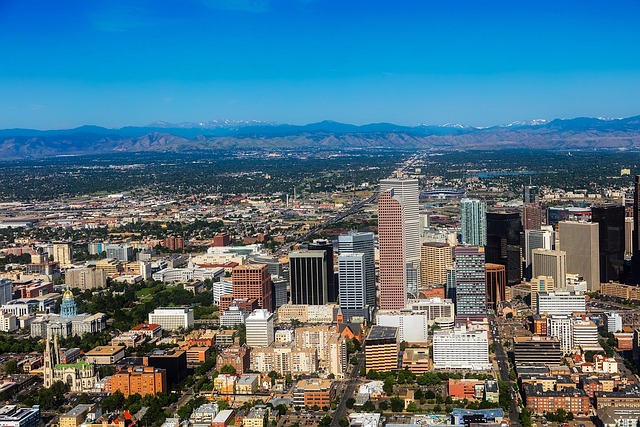
Denver's climate fosters mold growth, with one in five buildings testing positive. Black mold poses health risks and causes property damage. Early detection is key. Mold Remediation Denver involves containment, removal, decontamination, and moisture source addressing. Regular inspections, tailored remediation, and post-remediation monitoring prevent recurrences. Prompt action, proper containment, and professional guidance ensure effective mold mitigation for commercial properties.
In the dynamic landscape of Denver’s commercial real estate, addressing mold issues is not just a matter of aesthetics—it’s a critical health and safety concern. Mold remediation in Denver commercial properties demands meticulous attention due to its potential impact on tenants and building integrity. Effective mold remediation isn’t merely a cleanup process; it involves a comprehensive understanding of the local climate, building construction, and regulatory requirements unique to Denver. This article provides an authoritative guide to navigating the complexities of mold remediation in Denver, ensuring property values remain robust while prioritizing occupant well-being.
- Understanding Denver Commercial Property Mold Issues
- Identifying Mold: Signs & Sources in Commercial Spaces
- Safe & Effective Mold Remediation Techniques in Denver
- Step-by-Step Guide: Mold Remediation Process for Businesses
- Legal Requirements & Best Practices for Mold Cleanup in Denver
- Preventing Mold Recurrence: Post-Remediation Strategies
Understanding Denver Commercial Property Mold Issues

Denver, with its diverse climate and growing commercial sector, presents unique challenges when it comes to property maintenance, particularly in addressing mold issues. Understanding the prevalence and specific characteristics of mold growth in the city is paramount for effective Mold Remediation Denver. This urban environment, characterized by varying weather patterns, from humid summers to dry winters, creates a fertile ground for mold to thrive, especially within older or poorly maintained commercial spaces.
A study by the Colorado Department of Public Health and Environment revealed that approximately 1 in 5 commercial buildings in Denver test positive for elevated mold levels, highlighting the city’s significant struggle with this problem. The most common culprits are black mold varieties, known for their health risks, particularly to those with respiratory sensitivities or compromised immune systems. Black mold removal safety tips are crucial for any Mold Remediation Denver project due to these potential hazards. Advanced Restoration Colorado, a leading expert in biohazard cleanup, emphasizes the importance of professional handling and adherence to strict safety protocols during such endeavors.
The challenges extend beyond health concerns. Mold can cause substantial property damage, leading to costly repairs and business disruptions. It often manifests in hard-to-reach areas, such as walls, ceilings, or behind appliances, making early detection difficult. Property managers and owners must remain vigilant, conducting regular inspections, especially in areas prone to moisture intrusion. Prompt action is key; the longer mold goes untreated, the more severe the damage and remediation required. Effective Biohazard Cleanup Denver strategies involve a multi-step process that includes containment, removal, and decontamination, ensuring not just the restoration of properties but also the safety of occupants and workers.
Identifying Mold: Signs & Sources in Commercial Spaces
In commercial spaces, identifying mold early is crucial for effective Mold Remediation Denver. While mildew, a less severe form of fungus, may initially look similar, understanding distinct signs and sources helps differentiate between the two. Mildew typically grows in thin, flat layers and often presents as discolored patches on walls or ceilings, ranging from black to green. In contrast, mold can appear as fuzzy, multi-colored spots and may develop more aggressively, affecting not just surfaces but also infiltrating structural elements like drywall and insulation.
Sources of moisture are key drivers of both mildew and mold growth. Common culprits in commercial properties include leaky pipes, roof leaks, poor ventilation, high humidity, or previous water damage incidents. For instance, a recent study by the Environmental Protection Agency (EPA) found that over 20% of commercial buildings in major U.S. cities tested positive for elevated mold levels, underscoring the pervasiveness of this issue. In Denver, where Advanced Restoration Colorado specializes in mold remediation, it’s not uncommon to encounter cases stemming from seasonal flooding or snowmelt runoff infiltrating through building envelopes.
Given the potential health risks associated with both mildew and mold—from respiratory issues to allergic reactions—timely intervention is paramount. Initial assessment should involve a thorough inspection by professionals equipped to identify hidden sources of moisture and areas of active growth. Once identified, Advanced Restoration Colorado can provide detailed Mold Remediation Denver services tailored to the specific needs of each commercial space. Understanding the nuances between mildew and mold is essential in determining the most effective treatment strategies, which may range from surface cleaning to complete removal and reconstruction depending on the severity of the infestation.
Safe & Effective Mold Remediation Techniques in Denver

Mold remediation in Denver, particularly after flooding, requires specialized knowledge and equipment to ensure safe and effective removal. In such cases, it’s crucial to engage professionals like ARC Restoration, who have extensive experience in Biohazard Cleanup Denver. They employ advanced techniques to mitigate mold growth and restore commercial properties to their pre-loss condition. For instance, a recent case involved a large office building that experienced significant water damage due to a burst pipe. The team at ARC Restoration implemented a multi-step approach, beginning with the containment of the affected area to prevent the spread of spores. They then conducted thorough air quality testing to identify and map mold growth.
The actual remediation process involves several methods tailored to different surfaces and levels of contamination. For hard surfaces like countertops or floors, a combination of cleaning solutions and industrial-strength vacuums is used to remove visible mold and debris. In more severe cases, where mold has infiltrated wall cavities or insulation, specialized equipment such as air scrubbers and dehumidifiers are employed to reduce moisture levels and capture airborne spores. After the physical removal, the area is treated with anti-microbial solutions to ensure no residual mold remains.
Restoring properties after a mold infestation requires careful planning and execution. Property owners in Denver should remember that prompt action is key to minimizing damage and health risks. Engaging reputable firms like ARC Restoration not only guarantees effective remediation but also provides peace of mind, knowing the job is done right. Post-remediation, ongoing monitoring and maintenance plans can help prevent future mold issues, ensuring a safer, healthier work environment for tenants and staff.
Step-by-Step Guide: Mold Remediation Process for Businesses

Mold remediation in commercial properties is a critical process that requires meticulous care and expert knowledge, especially in Denver’s unique environmental conditions. This step-by-step guide provides a comprehensive overview of the mold remediation process tailored to businesses, offering practical insights for effective management and restoration.
The first step involves identifying the mold issue. Owners or managers should inspect the property regularly, paying close attention to hidden areas like basements, bathrooms, and areas prone to water intrusion. In Denver, where flooding can be a concern, prompt action is crucial. For instance, if a business experiences a burst pipe, it’s essential to call for professional assistance immediately to prevent widespread mold growth. Mold removal Denver specialists utilize advanced equipment to detect even hidden mold colonies.
Once the mold is located, containment is paramount. The area must be isolated to prevent the spread of spores to other parts of the building. This step includes sealing off the affected zones and implementing strict entry protocols. For apartment complexes in Denver, proper communication with tenants regarding the process and potential health risks is vital. Professionals will then carefully remove and dispose of contaminated materials, using appropriate personal protective equipment (PPE). After removal, the source of moisture must be addressed to inhibit future mold growth—this could involve repairs or upgrades to plumbing systems or improved ventilation.
The final stages focus on restoration and decontamination. This involves thorough cleaning of remaining surfaces and implementing strategies to prevent mold recurrence. In Denver’s climate, where humidity can be high, maintaining optimal indoor air quality is essential. Regular monitoring during and after remediation ensures the success of the process. For example, some professionals may suggest post-remediation inspections every 3 months for up to a year to guarantee the property remains free from mold.
Legal Requirements & Best Practices for Mold Cleanup in Denver

In Denver, mold remediation is a critical aspect of property maintenance and repair, driven by stringent legal requirements and health considerations. The city’s climate, with its frequent moisture and high humidity levels, creates an ideal environment for mold growth, making prompt and effective remediation essential. Property owners and managers must adhere to strict guidelines when dealing with mold, ensuring the safety of occupants and compliance with local regulations. One key regulation is that all commercial property owners in Denver must report visible mold growth and take immediate action to address it.
The process of mold remediation involves several best practices tailored to Denver’s unique conditions. Water damage restoration is a primary step, focusing on identifying and repairing sources of moisture intrusion, such as leaky roofs or plumbing issues. For instance, Roof Restoration Denver services can be instrumental in preventing future mold problems by sealing gaps and repairing damaged shingles. Once water damage is mitigated, smoke damage restoration techniques may be employed if mold has been exacerbated by smoke from fires or other sources. These comprehensive approaches ensure that the root causes of mold growth are addressed effectively.
Additionally, a structured cleanup process is vital. This includes using personal protective equipment (PPE) and following a systematic protocol for removing contaminated materials. Professional mold remediation teams in Denver often employ air quality testing to assess the extent of contamination and post-remediation effectiveness. Data from these tests guides decisions on when it’s safe for occupants to return to the premises, ensuring that any potential health risks are minimized. Regular inspections and maintenance protocols are also recommended to prevent future mold issues, especially in areas prone to water damage like basements or kitchens.
Preventing Mold Recurrence: Post-Remediation Strategies

After successfully completing mold remediation in Denver properties, preventing a recurrence is paramount to protect both health and investment. This involves implementing robust post-remediation strategies that address the root causes of mold growth. Denver mold abatement contractors emphasize the importance of improved ventilation, reduced humidity levels, and regular monitoring to ensure a safe environment. For instance, using dehumidifiers in damp areas like basements or bathrooms can significantly decrease moisture content in the air, deterring mold from returning.
Hiring qualified mold remediators in Denver with extensive experience is crucial for effective post-remediation. These professionals should follow industry standards and use advanced equipment to detect even trace amounts of mold spores. Regular inspections at least once annually are recommended to identify potential issues early on. Homeowners in Denver can also contribute by staying vigilant, promptly addressing any water leaks or sources of high humidity, and ensuring proper ventilation in all areas of the home.
In addition to these measures, understanding how to remove mold in Denver homes is essential for property owners. This includes using appropriate cleaning solutions and techniques during remediation and subsequent maintenance. For example, non-porous surfaces like countertops or walls can often be cleaned with a combination of mild detergent and water, while porous materials such as drywall may require more specialized care. Professional mold abatement contractors in Denver can provide tailored advice based on the severity of the initial infestation and the specific conditions of each property.
By combining proactive steps like improved ventilation, regular inspections, and proper cleaning techniques with expert guidance from qualified mold remediators, Denver residents can effectively prevent mold recurrence. These strategies not only safeguard health but also ensure that investment in commercial or residential properties remains protected over time.
By delving into the multifaceted landscape of Denver commercial property mold remediation, this article has unveiled critical insights essential for businesses navigating this challenging issue. Understanding the unique mold issues prevalent in Denver’s commercial spaces, identifying subtle signs and sources, and employing safe, effective remediation techniques are paramount. The step-by-step guide offers a roadmap for successful cleanup, while legal requirements and best practices ensure compliance and comprehensive addressing of potential risks. Preventing recurrences through post-remediation strategies further solidifies the process’s long-term effectiveness. Armed with these key learnings, business owners in Denver can confidently tackle mold-related challenges, ensuring healthier environments and upholding their facilities’ value.