

Denver's climate fosters mold growth due to high humidity, varying temperatures, and flooding. Early detection is crucial for saving on repairs and health risks. Mold remediation involves professional inspection, containment, removal, and verification. Natural methods like essential oils and baking soda are popular but professionals are recommended for extensive cases. Regular home inspections, quick water damage mitigation, and recognizing mold signs are key preventive measures. Denver mold remediation specialists offer advanced equipment and eco-friendly techniques for effective, safe mold removal.
In the heart of Colorado, Denver faces unique challenges when it comes to mold growth, given its climate and building stock. Mold remediation is a critical aspect of home and building maintenance, impacting indoor air quality and health. The presence of mold can be particularly problematic for residents with allergies or respiratory conditions. This article provides an in-depth guide to effective mold removal Denver strategies, emphasizing natural, safe, and proven methods tailored to this region’s specific needs. Our expertise ensures you receive valuable insights into navigating the complex landscape of mold remediation Denver, offering practical steps for a healthier home environment.
- Understanding Mold Growth in Denver Homes
- The Importance of Prompt Mold Remediation
- Natural Methods for Effective Mold Removal
- Step-by-Step Guide to Denver Mold Remediation
- Preventing Future Mold Issues in Colorado Homes
Understanding Mold Growth in Denver Homes
Understanding mold growth is a critical step in effective mold remediation Denver homes require. The region’s unique climate—marked by varying temperatures, high humidity levels, and occasional flooding—creates an ideal environment for mold to thrive. According to the Environmental Protection Agency (EPA), mold can grow anywhere there is water or moisture, making Denver particularly susceptible. Common problem areas include basements, bathrooms, and areas affected by leaks or flooding. For instance, a study by the Colorado Department of Public Health and Environment found that over 40% of homes in the city showed signs of mold growth.
Mold remediation Denver professionals must address the root causes of moisture issues to prevent future growth. The average cost of mold repair in Denver can vary widely, depending on the severity of the problem. Simple cleanup may range from $1,500 to $3,000, while extensive remediation, including structural repairs and replacement, could exceed $10,000. Early detection is key; addressing mold promptly can save on repair costs and reduce health risks for residents. Denver mold abatement contractors employ specialized equipment, such as air scrubbers and dehumidifiers, to safely remove mold and mitigate the risk of cross-contamination.
In cases of flooding, denver mold restoration services become indispensable. Floodwater introduces a variety of contaminants, including mold spores and bacteria, posing significant health risks. Prompt action is critical; the longer water sits, the greater the chance for extensive mold growth. After one to three floods, professional restoration becomes necessary. These experts not only address immediate cleaning but also implement long-term solutions to prevent future moisture intrusion and subsequent mold problems. By understanding the unique challenges of Denver’s climate and moisture issues, homeowners can take proactive steps to protect their properties and ensure a healthy living environment.
The Importance of Prompt Mold Remediation

Prompt mold remediation is of paramount importance, especially in a city like Denver where moisture issues can arise year-round—from heavy rains to high humidity. In homes, businesses, or commercial spaces, mold growth can occur within 24-48 hours of water intrusion, making timely action crucial for effective mold removal in Denver. Studies show that delayed remediation can lead to more extensive damage and health risks, including respiratory issues and allergic reactions. This is particularly concerning in Colorado’s unpredictable climate, where severe weather events like floods can create ideal conditions for mold to thrive.
Affordable Denver mold restoration services are readily available, offering homeowners a sense of security against this insidious problem. A thorough denver post-flood mold assessment is the first step, identifying the type and extent of contamination. This process involves sampling and testing affected areas using advanced equipment to determine the presence and level of mold spores. Once assessed, professionals can devise a tailored plan for safe removal, ensuring that every trace of mold is eliminated effectively.
Homeowners should consider proactive measures as well. Regular inspection and ventilation in damp areas like basements or bathrooms can prevent moisture buildup, limiting mold’s breeding ground. Understanding the signs of water damage—such as musty smells or visible mold growth—is vital for prompt action. Consulting a trusted guide to mold remediation, specific to Denver’s unique challenges, empowers homeowners to take control and mitigate potential health hazards associated with mold.
Natural Methods for Effective Mold Removal
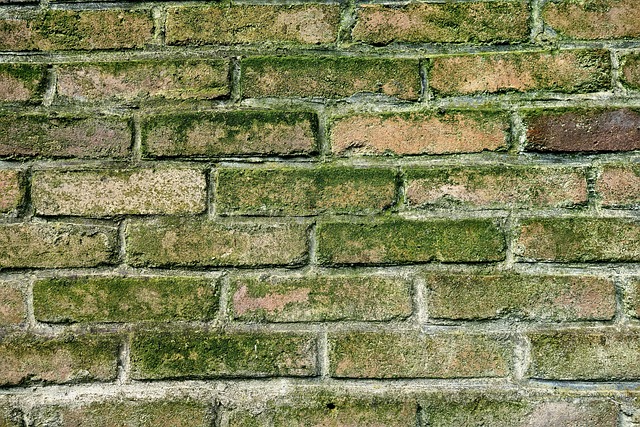
In many homes across Denver, mold can be a persistent problem, arising from high humidity, water leaks, or poor ventilation. While there are chemical solutions for mold removal in Denver homes, an increasing preference for eco-friendly and natural methods is evident among residents conscious of health risks and environmental impact. Mold remediation Denver naturally involves employing safe, non-toxic substances that effectively combat the issue without leaving harmful residues.
One popular natural method uses essential oils like tea tree oil or lemon essential oil, which have antifungal properties. These can be diluted with water and sprayed directly onto affected areas. This approach not only kills existing mold but also acts as a deterrent against future growth. Another effective strategy involves using baking soda and vinegar. Combining these ingredients into a paste and applying it to the moldy surface helps to break down the spores, making them easier to wipe away. For more severe cases, specialized natural cleaning products are available that contain enzymes designed to digest mold without releasing toxic chemicals.
When considering how to remove mold in Denver homes, it’s crucial to understand when to call a professional. If mold covers an area larger than 10 square feet, or if there are signs of extensive water damage or health issues like respiratory problems, it’s best to consult with a mold specialist in Denver. They can provide expert advice tailored to the specific situation and ensure thorough mold remediation. Eco-friendly mold cleanup Denver professionals employ state-of-the-art equipment and techniques while adhering to strict environmental standards, making them a reliable choice for addressing mold concerns naturally and effectively.
Step-by-Step Guide to Denver Mold Remediation

Mold remediation in Denver is a specialized process designed to address the complex issue of mold growth, particularly in the unique environmental conditions of Colorado’s Front Range. This step-by-step guide delves into the essential aspects of effective mold restoration, focusing on both affordability and professional excellence.
Step 1: Professional Inspection is Key
The initial stage involves a comprehensive professional mold inspection to identify the extent of the problem. In Denver, where molds and allergies can be prevalent due to the region’s climate and natural environment, a certified inspector from a reputable Denver mold restoration company will assess visible signs, air quality, and potential sources of moisture. This meticulous process establishes a baseline for remediation, ensuring every hidden corner is located and addressed.
Step 2: Containment and Ventilation
Upon confirmation of mold presence, the next critical step is containment to prevent further spread. Professional remediators use physical barriers, negative air pressure, and advanced ventilation systems to isolate the affected area. This methodical approach ensures that mold spores do not contaminate healthy areas of your Denver home or building, making it a crucial component of affordable Denver mold restoration.
Step 3: Removal and Disposal
With containment in place, the actual mold removal begins. This involves careful scraping and cleaning of affected surfaces, along with the collection and secure disposal of contaminated materials. It’s essential to note that some materials may not be salvageable due to extensive damage from mold growth. Our Denver experts utilize industry-approved cleaning solutions and techniques to ensure effective decontamination while prioritizing safety measures for both occupants and the environment.
Step 4: Post-Remediation Verification
Upon completion of the remediation process, a final air quality test is conducted to verify that the area has been successfully decontaminated. This step ensures that levels of mold spores in the air meet safe standards. Only then can you confidently consider your space free from mold hazards, with memories of the Denver mold restoration as a successful chapter in maintaining a healthy living or working environment.
Preventing Future Mold Issues in Colorado Homes

Preventing future mold issues is crucial for maintaining a healthy and safe home environment in Denver, Colorado. Mold remediation services are often necessary due to the state’s unique climate, which includes frequent humidity and varying temperatures, creating ideal conditions for mold growth. Once mold has taken hold, it can quickly become a significant problem, impacting both structural integrity and resident health. According to recent studies, over 50% of Denver homes tested positive for mold, highlighting the pressing need for proactive measures.
The first line of defense against mold is preventing water damage, as this is the primary catalyst for mold growth. Homeowners should conduct regular inspections to identify potential sources of moisture intrusion, such as leaky pipes, inadequate drainage around the foundation, or poor ventilation in bathrooms and kitchens. Promptly addressing these issues can significantly reduce the risk of mold development. For instance, fixing a leak within 24 hours can prevent extensive water damage and subsequent mold infestation. Denver’s Water Damage Restoration specialists emphasize the importance of quick response times to mitigate long-term effects.
In addition to preventative measures, homeowners should be aware of common signs of mold growth, including musty odors, visible mold patches on walls or ceilings, and unexplained moisture issues. If mold is suspected, it’s advisable to consult Denver mold specialists near me for professional assessment and safe removal. Proper health and safety during mold cleanup are paramount. Experts recommend using personal protective equipment (PPE) such as masks and eye protection, ensuring adequate ventilation, and following recommended cleaning protocols to avoid further contamination or health risks. Regular maintenance and vigilant monitoring can ensure that Denver homes remain free from the dangers of mold.
In addressing mold removal Denver Colorado, this article has provided a comprehensive guide to understanding and managing mold growth in local homes. Key takeaways include the urgent need for prompt remediation to prevent health risks and structural damage, as well as the effectiveness of natural methods in effective mold removal. By following the step-by-step guide tailored to Denver’s unique conditions, homeowners can successfully mitigate mold issues. Furthermore, proactive measures such as proper ventilation, source control, and regular inspections are essential to preventing future mold problems. Embracing these strategies empowers Denver residents to ensure their homes remain healthy and safe, underscoring the importance of informed and timely Mold Remediation Denver naturally.