

Denver's climate fosters mold growth, posing health risks. Recognize signs like discoloration and musty odors for timely intervention. Prompt action after water events is crucial. Professional Mold Remediation Denver services handle toxic molds and complex cases. Address moisture issues and improve ventilation to prevent recurrences. Regular inspections and swift action are key to maintaining a healthy environment.
In the bustling landscape of Denver, maintaining a healthy home environment is paramount. Among the silent yet insidious threats to your property’s integrity and your family’s well-being is mold growth—a ubiquitous problem that can manifest in attics, basements, and walls alike. Mold remediation Denver has become an essential service for homeowners, addressing this complex issue with expertise. This guide aims to equip you with knowledge, offering a comprehensive overview of mold abatement strategies tailored to the unique challenges of our city’s climate and housing market. By understanding the nature of mold and effective remediation techniques, homeowners can take proactive steps to protect their investments and ensure a healthier living space.
- Understanding Mold Growth in Denver Homes
- Identifying Signs: Recognize Mold in Your Property
- When to Call for Professional Mold Remediation Denver
- Step-by-Step Guide to DIY Mold Removal
- Safe and Natural Methods for Mold Control
- Preventing Recurrence: Post-Remediation Care Tips
Understanding Mold Growth in Denver Homes
Understanding Mold Growth in Denver Homes is a critical step in effective mold remediation Denver. In this city with its unique climate—marked by high humidity and unpredictable rainfall patterns—homes provide the perfect breeding grounds for mold and mildew. These microscopic organisms thrive in dark, damp environments, making Colorado’s semi-arid climate particularly favorable for their development. Whether due to natural disasters like flooding (a common occurrence in Denver), poor ventilation, or leaky pipes, excess moisture is the primary catalyst for mold growth.
Once established, mold can quickly spread and infiltrate various materials within a home—from drywall and insulation to wooden structures and even furniture. It’s important to note that not all molds are dangerous; some are harmless and even beneficial. However, certain types of mold, particularly Aspergillus and Penicillium, can produce toxic compounds (mycotoxins) that pose significant health risks, especially for individuals with respiratory conditions or compromised immune systems. Recognizing the telltale signs of mold—discoloration, musty odors, and peeling paint—is crucial for timely intervention.
Proper identification is the first step in effective mold remediation Denver. Homeowners should never attempt to address severe cases themselves due to potential health risks and the intricate nature of the process. Professional Denver mold restoration services employ specialized equipment, protective gear, and advanced techniques tailored to safely remove affected materials and restore properties after mold damage. After a flooding event, for instance, quick action is essential to prevent secondary damage from prolonged moisture exposure. Prompt inspection, containment, removal, and drying are vital steps in mitigating potential health hazards and preserving the structural integrity of the home.
Identifying Signs: Recognize Mold in Your Property

Recognizing mold in your property is a crucial step in effective mold remediation Denver residents can rely on. Mold thrives in dark, damp environments, making it especially common in areas like basements, bathrooms, and kitchens. Look for visible signs such as discolored spots on walls or ceilings, musty odors, or peeling paint. These are often early indicators of a mold problem. For example, black or green patches could signal the presence of dangerous black mold, which requires professional attention for safe elimination in Denver apartments.
Beyond visual cues, pay attention to any structural changes or unusual smells. Warped doors and windows, sagging ceilings, and musty odors persisting despite thorough cleaning can all point to a hidden mold issue. It’s important to remember that mold remediation Denver experts often discover hidden molds behind walls, under flooring, or within insulation during an emergency mold response. These require specialized equipment and knowledge for safe removal.
Data from the Environmental Protection Agency (EPA) highlights the severity of mold issues in homes, with 10% of residential buildings tested showing elevated levels of mold. Prompt action is vital to prevent health risks associated with mold exposure, including respiratory problems and allergic reactions. If you suspect mold, don’t delay; consider professional assistance for safe and effective mold elimination, especially in densely populated areas like Denver where proper ventilation and humidity control are critical to preventing recurrences.
When to Call for Professional Mold Remediation Denver
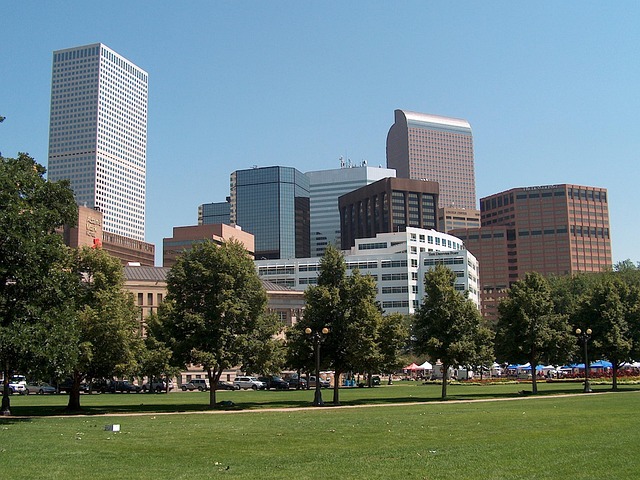
Many homeowners in Denver may come across mold at some point, especially with Colorado’s humid summers and frequent rainfall. While small patches of mold can often be safely removed with proper cleaning supplies, there are circumstances where professional Mold Remediation Denver services become indispensable. Recognizing when to seek expert assistance is vital for ensuring a safe, healthy living environment.
One of the primary indicators necessitating professional intervention is extensive or hidden mold growth. If visible mold covers more than 10 square feet, or if it appears in hard-to-reach areas like wall cavities or under flooring, it’s time to call in the experts. Additionally, mold often hides behind walls, ceilings, and basesboards, making it difficult to detect without professional inspection. Mold remediation professionals utilize advanced equipment, including moisture meters and thermal imaging cameras, to identify and assess hidden mold sources, ensuring comprehensive removal.
Another critical factor is the presence of a biohazard. Mold cleanup Denver services are equipped to handle potentially dangerous materials, such as toxic black mold species like Stachybotrys chartarum. This mold type produces harmful mycotoxins that can cause respiratory issues and other health complications. Professional remediation involves specialized equipment, protective gear, and strict adherence to safety protocols to mitigate these risks. Moreover, a thorough understanding of local building codes and insurance policies regarding mold damage is essential for effective restoration services Denver residents can rely on.
Step-by-Step Guide to DIY Mold Removal
Mold growth is a common problem for many Denver homeowners, especially after floods or high humidity. While professional mold remediation services in Denver are readily available through qualified companies like Advanced Restoration Colorado, understanding how to tackle mold removal yourself can be valuable. This step-by-step guide provides an authoritative approach to DIY mold abatement, ensuring your home in Denver is safe and healthy.
Step 1: Identify the Source of Moisture
Before beginning any mold remediation, locate and address the moisture source. Common causes include leaky pipes, roof leaks, or high humidity levels. Once identified, fix the issue to prevent future mold growth. Inspect your home for visible signs like discolored walls, peeling paint, or musty odors, which can indicate existing mold.
Step 2: Protect Yourself and Prepare Your Workspace
Safety is paramount during mold removal. Wear protective gear, including a mask, gloves, and goggles. Ensure adequate ventilation in the affected area. Cover furniture and floors with drop cloths to contain any mold particles. Remove or seal off personal items that may interfere with the cleanup process.
Step 3: Clean Affected Areas Thoroughly
Use a mixture of water and mild detergent to clean the contaminated surfaces. For harder-to-reach areas, consider using a commercial mold cleaner approved for safe, non-toxic removal. Scour all surfaces, including walls, ceilings, and floors. Rinse thoroughly with clean water to remove any residue. Allow the area to dry completely before proceeding.
Step 4: Remove and Dispose of Contaminated Materials
If mold has infiltrated porous materials like drywall or insulation, it’s best to remove and replace them. Place all moldy items in sealed bags for proper disposal. Do not burn or compost these materials as they can release harmful spores. Contact Advanced Restoration Colorado or a qualified mold remediator in Denver for professional assistance with extensive damage.
Step 5: Dehumidify and Ventilate the Space
Use fans, dehumidifiers, or air movers to reduce humidity levels and expedite drying. Ensure proper ventilation by opening windows (when weather permits) and using exhaust fans. Monitor temperature and humidity carefully during the remediation process to prevent mold regrowth.
Safe and Natural Methods for Mold Control

Many homeowners in Denver may wonder about the best ways to control and remediate mold, especially after recent flooding or high humidity seasons. While there are numerous commercial options for mold removal Denver, prioritizing safe and natural methods can offer both cost-effective and environmentally friendly solutions. It’s crucial to understand that while mildew and mold share similar environments, they differ in terms of severity and health implications. Mold remediation Denver naturally focuses on addressing the root causes of moisture issues and using non-toxic products to ensure a healthier living space.
One effective strategy involves identifying and fixing water intrusion problems, such as leaks or inadequate ventilation, which are primary factors fostering mold growth. Homeowners can conduct regular inspections, especially in basements and bathrooms, to detect any signs of moisture accumulation. For instance, a study by the Environmental Protection Agency (EPA) found that 30% of homes in the U.S. have measurable levels of mold, with water damage being a significant contributing factor. Promptly addressing these issues can prevent mold from becoming established and ensure a healthier home environment.
In terms of treatment, natural remedies like essential oils, vinegar, and baking soda have gained popularity for their antimicrobial properties. For example, mixing white vinegar and water in a spray bottle can be used to clean and kill mold spores on non-porous surfaces. However, when dealing with extensive mold growth or elevated health risks, it’s advisable to consult Denver mold cleanup specialists who employ advanced techniques like air filtration and negative pressure chambers to ensure comprehensive mold remediation. These professionals are equipped to handle challenging situations, offering peace of mind for homeowners concerned about the health impacts associated with excessive mold exposure.
Preventing Recurrence: Post-Remediation Care Tips

After successfully undergoing mold remediation in Denver, preventing a recurrence is paramount to maintaining a healthy living or working environment. This involves a multi-faceted approach that extends far beyond initial cleanup efforts. Engaging the services of qualified mold remediators in Denver who understand the local climate and potential triggers is crucial. For instance, Denver’s semi-arid conditions can create ideal environments for mold growth if left unchecked.
Regular inspections are a cornerstone of post-remediation care. Homeowners or commercial property managers should schedule periodic assessments to identify any new mold formations early on. This proactive strategy allows for swift action before the issue escalates. It’s also essential to address any underlying moisture problems that initially fueled mold growth, such as leaky roofs or poor ventilation. For example, a thorough Roof Restoration Denver can prevent water intrusion, while implementing effective ventilation systems throughout the property aids in drying and reduces humidity levels—key factors in suppressing mold recurrence.
Moreover, maintaining a clean and dry environment requires consistent effort. This includes proper drainage around the exterior of buildings, regular cleaning routines that focus on high-risk areas like bathrooms and kitchens, and prompt attention to spills or leaks. Engaging professional services for commercial mold removal when necessary ensures that businesses maintain compliance with health and safety regulations while safeguarding their reputation. By combining these measures with ongoing monitoring, Denver residents can effectively manage and prevent future mold remediation needs, ensuring a healthier and more durable living space.
Understanding mold growth specific to Denver homes, identifying its subtle signs, and knowing when to call for professional Mold Remediation Denver services are crucial steps in maintaining a healthy living environment. The article equips homeowners with practical knowledge, from recognizing mold indicators to safe DIY removal techniques and post-remediation care. By following these guidelines, folks can effectively tackle mold issues, ensuring their homes remain free from this common yet potentially harmful invader. This comprehensive guide serves as a valuable resource, empowering Denver residents to take proactive measures in protecting their properties and well-being.