
Mold Remediation Denver is crucial for public health and property preservation due to the city's semi-arid climate fostering mold growth. Certified professionals conduct thorough inspections using advanced tools to identify moisture sources, document infestations, and create tailored remediation plans. Strategies involve containment, removal, and decontamination based on climate and building codes. Cost varies by area size, infestation severity, and structural damage. Prompt action with eco-friendly solutions mitigates health risks and reduces expenses. Post-remediation care includes regular monitoring, source control, eco-friendly cleaning, and periodic inspections to prevent recurrences.
Mold growth is a significant concern for any homeowner or property manager in Denver, posing potential health risks and property damage. The subtle signs of mold can often go unnoticed, leading to hidden problems that escalate over time. Effective mold remediation is crucial for maintaining a healthy living environment and preserving the integrity of buildings.
This article delves into the comprehensive process of Mold Remediation Denver, offering insights into identifying mold, understanding its impact, and implementing effective strategies to mitigate and prevent future issues. Our expert guidance ensures you are equipped to handle this critical matter with efficiency and professionalism.
- Understanding Denver Mold Inspection Protocols
- Identifying Signs: Common Mold Types in Denver Homes
- The Step-by-Step Guide to Mold Remediation Denver
- Preventing Recurrence: Post-Remediation Care Tips for Denver Residents
Understanding Denver Mold Inspection Protocols
In Denver, mold inspection and remediation is a critical process that requires meticulous protocols to ensure both public health and property preservation. A comprehensive understanding of these protocols is essential for homeowners and commercial property managers alike, especially when considering the average cost of mold repair Denver can entail. The first step in effective mold remediation Denver services begins with an in-depth inspection conducted by certified professionals. These experts employ advanced tools like moisture meters and air quality monitors to pinpoint sources of moisture, a primary condition for mold growth.
ARC Restoration, specialists in fire damage restoration Denver, emphasize the importance of thorough documentation during the initial inspection phase. This includes taking detailed photographs, collecting samples for lab analysis, and assessing the extent of the mold infestation. The data gathered guides the development of a tailored remediation plan, ensuring that every aspect of the problem is addressed. For instance, identifying hidden moisture sources behind walls or under flooring can prevent seemingly isolated mold outbreaks from recurring.
Once the inspection is complete, ARC Restoration offers expert guidance on effective mold remediation strategies specific to Denver’s climate and building codes. This may involve a multi-step process encompassing containment, removal, and decontamination. The average cost of mold repair Denver properties face can vary widely based on factors like the size of the affected area, the severity of the infestation, and any structural damage. Proper execution of these protocols not only mitigates health risks but also reduces the overall cost of mold remediation Denver residents and businesses may encounter.
Identifying Signs: Common Mold Types in Denver Homes

In Denver’s diverse climate, homeowners often face an invisible yet significant challenge: mold growth. With varying temperatures and humidity levels year-round, it’s crucial to be able to identify potential mold issues early on. Mold remediation in Denver homes is a specialized task, as different types of molds require specific approaches for effective removal.
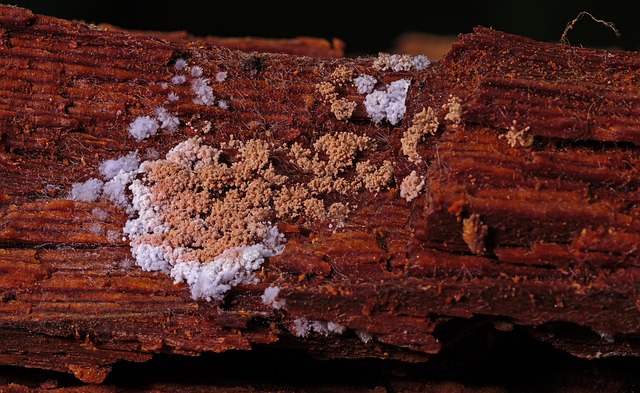
Commonly found indoors are Cladosporium, Penicillium, and Alternaria—all allergenic molds that can trigger respiratory issues. These species thrive in dark, damp environments, making attics, crawl spaces, and basements prime targets. For instance, a 2018 study by the Denver Health Department revealed that over 50% of tested homes displayed signs of mold, emphasizing the pervasiveness of this problem. When left undetected, these molds can cause extensive damage to structures and pose severe health risks to occupants.
Professional mold inspection Denver CO services play a vital role in early detection. Experts utilize advanced techniques like moisture meters and air sampling to identify hidden mold sources. Once identified, proper mold remediation Denver methods become essential. Eco-friendly mold cleanup techniques are increasingly popular, focusing on non-toxic solutions that ensure the safety of both inhabitants and the environment. Restoration services Denver offers include comprehensive mold removal, from containing the spread to restoring affected areas, ensuring a healthy living space. Homeowners should remember: early detection through professional inspections and prompt, effective remediation by trusted restoration services are key to mitigating mold-related issues in Denver homes.
The Step-by-Step Guide to Mold Remediation Denver

Mold remediation in Denver is a critical process that requires meticulous attention to detail and adherence to strict health and safety protocols. When addressing mold issues, whether in residential or commercial properties, it’s crucial to engage qualified mold remediators who understand the unique challenges presented by Denver’s climate and building structures. The city’s semi-arid environment can foster rapid mold growth, especially in older buildings with poor ventilation and hidden moisture sources.
A comprehensive guide to Mold Remediation Denver should encompass several key steps. First, conduct a thorough inspection to identify the extent of the mold infestation and its source. This involves inspecting hard-to-reach areas like wall cavities, under floors, and behind cabinets. Once the source is pinpointed, remediation can begin. The process typically includes containing the area to prevent further spread, removing and disposing of contaminated materials, and using specialized equipment to clean and dry the space. It’s essential to use appropriate personal protective equipment (PPE) throughout, including respiratory protection, eye wear, and gloves, to safeguard against mold spores.
For apartment dwellers, effective mold removal tips include promoting proper ventilation in kitchens and bathrooms, addressing leaks promptly, and maintaining indoor humidity levels between 30-50%. Regular inspection and maintenance of these areas can help prevent future mold growth. When undertaking any mold remediation project, it’s vital to consult with certified professionals who adhere to industry standards and guidelines for health and safety during the cleanup process. They can provide expert advice tailored to Denver’s specific needs, ensuring a safe and effective resolution to mold-related issues.
Preventing Recurrence: Post-Remediation Care Tips for Denver Residents

After a successful mold remediation project in Denver, ensuring the problem doesn’t recur is paramount for your health and peace of mind. This critical phase involves implementing post-remediation care tips that address potential hidden risks and maintain a healthy indoor environment. Top-rated mold remediators in Denver recommend a multi-step approach that includes regular monitoring, source control, and proper ventilation. For instance, using eco-friendly cleaning methods and materials can prevent further contamination by minimizing the release of harmful chemicals into the air.
One key practice is to maintain adequate humidity levels within your home or commercial space. Mold thrives in moist environments, so keeping relative humidity between 30% and 50% can significantly reduce the risk of regrowth. You can achieve this through proper ventilation, such as using dehumidifiers in affected areas, especially during humid weather conditions. Additionally, promptly addressing any water leaks or sources of moisture is crucial. Prompt action by top-rated mold remediators Denver recommends includes repairing plumbing issues, ensuring proper drainage, and sealing entry points for water to prevent future intrusions.
Biohazard cleanup in Denver requires a thorough understanding of the potential risks associated with mold. It’s not just about removing visible spores but also decontaminating affected surfaces and materials. Post-remediation, consider regular cleaning routines using non-toxic, eco-friendly products that can effectively kill any remaining mold spores. Moreover, scheduling periodic inspections, especially in areas prone to moisture buildup like basements or bathrooms, allows for early detection of potential recurrences. Proactive measures by Eco-friendly mold cleanup Denver experts emphasize the importance of these steps to safeguard your investment and ensure a healthier living or working environment.
By thoroughly understanding Denver mold inspection protocols, identifying common mold types, and following a step-by-step guide for remediation, residents can effectively address mold issues in their homes. Preventing recurrence through proper post-remediation care tips ensures a healthier living environment. Mold Remediation Denver is not just about removing the visible signs; it involves a comprehensive process that includes source containment, decontamination, and restoration. This authoritative article equips readers with the knowledge to take proactive measures, ensuring a safe and mold-free Denver home for years to come.