

A professional Denver mold inspection is paramount for effective mold remediation due to the city's climate fostering growth. Experts use advanced tools to identify hidden mold and spore levels, guiding tailored plans that address removal and moisture sources. This process mitigates health risks and property damage, especially after water incidents. Remediation involves drying affected areas, structural repair, and preventive measures. Common molds like Cladosporium, Aspergillus, and Penicillium require professional cleanup due to potential health issues. Denver residents should engage top-rated specialists for safe, eco-friendly remediation, adhering to city regulations and utilizing proper ventilation, de-humidifiers, and disinfectants. Regular inspections and proactive strategies prevent mold return.
Mold thrives in the unpredictable climate of Denver’s ever-changing weather, making mold remediation an essential concern for homeowners and businesses alike. Left unchecked, it can cause significant structural damage and pose serious health risks, particularly for those with respiratory conditions. This comprehensive guide delves into the intricacies of Denver mold inspection and remediation, empowering you to take proactive measures against this pervasive issue. We’ll explore the latest techniques, industry standards, and best practices for ensuring a safe and healthy environment in the Mile High City.
- Understanding Denver Mold Inspection: The Initial Step
- Identifying Common Mold Types in Denver's Environment
- Professional Mold Remediation Denver: Safe and Effective Methods
- Legal Obligations for Property Owners: Denver Mold Regulations
- Preventing Mold Recurrence: Post-Remediation Strategies
Understanding Denver Mold Inspection: The Initial Step
Understanding Denver Mold Inspection: The Initial Step
Mold remediation Denver is a critical process that requires meticulous planning and professional expertise, especially in an urban environment like Denver, where rapid response is essential to mitigating health risks and property damage. The initial step in this process is a thorough and professional mold inspection, which serves as the foundation for effective mold remediation Denver services. This first step is crucial because it provides a clear picture of the scope of the problem, enabling specialists to tailor solutions that address specific mold types, levels, and locations.
During a professional mold inspection in Denver CO, experts utilize advanced tools and techniques to identify hidden mold growth behind walls, under floors, or within other hard-to-reach areas. This includes moisture meters to pinpoint dampness, air sampling to analyze spore levels, and thermal imaging cameras to detect temperature variations indicative of water intrusion. For instance, data from the Environmental Protection Agency (EPA) highlights that up to 10% of homes in the US have some form of mold, emphasizing the need for prompt and professional assessment.
Once a comprehensive inspection is conducted, the findings guide the development of a detailed remediation plan. This plan should encompass not just the removal of mold but also the source of moisture, which is often the root cause of mold growth. In cases of Denver emergency mold response, such as after flooding, prompt action is crucial to prevent extensive damage and health risks associated with mold exposure. A well-executed mold restoration after flooding involves not only removing visible mold but also drying out affected areas, addressing structural issues, and implementing preventive measures to deter future mold growth.
Identifying Common Mold Types in Denver's Environment
Denver’s climate, characterized by varying temperatures and high humidity levels, creates a fertile ground for mold growth. Identifying common mold types in this environment is crucial for effective mold remediation Denver residents often require. The most prevalent species include Cladosporium, Aspergillus, and Penicillium, each with distinct characteristics and potential health impacts.
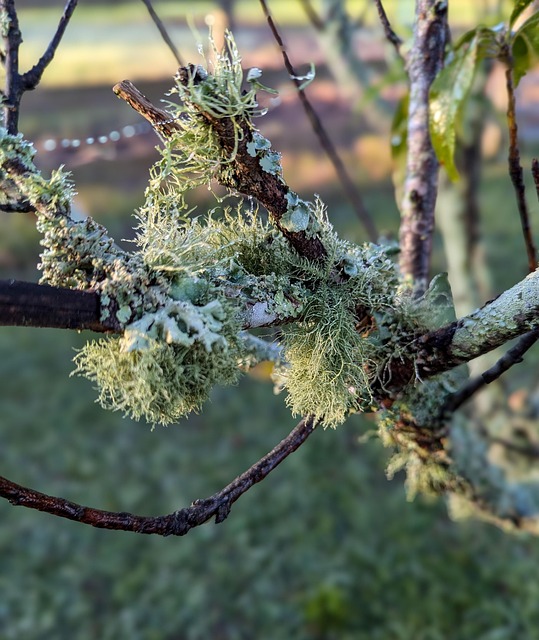
Cladosporium, for instance, is a common outdoor fungus but can also proliferate indoors, particularly in damp areas. It’s known for its ability to trigger allergic reactions and respiratory issues. Aspergillus, while naturally occurring both indoors and outdoors, poses risks to individuals with compromised immune systems or existing respiratory conditions. Penicillium, often identified by its blue-green color, is another common indoor mold that can contribute to allergic reactions and exacerbate existing health problems.
Understanding these molds is vital for effective Crime Scene Cleanup Denver services. The average cost of mold repair in Denver varies based on the extent of contamination but typically ranges from $5,000 to $20,000 or more. Professional Denver mold cleanup specialists are equipped with advanced tools and expertise to assess, contain, and remediate mold growth, ensuring a safe and healthy environment for residents. Early detection and proper remediation are key to mitigating the potential health risks associated with these common mold types.
Professional Mold Remediation Denver: Safe and Effective Methods
Professional Mold Remediation Denver is a critical service for homeowners and businesses facing mold issues. The city’s unique climate, with its varying temperatures and humidity levels, creates an ideal environment for mold growth, making prompt and effective remediation essential. Denver mold specialists are trained to handle these challenges, employing advanced techniques and eco-friendly practices that ensure safe and thorough cleaning.
When addressing mold remediation in Denver, a systematic approach is paramount. Mold specialists begin with a comprehensive inspection to identify the extent of the infestation. This involves analyzing air quality, surface samples, and visual assessments to pinpoint the source and type of mold present. Water damage restoration Denver often goes hand in hand with mold remediation, as excessive moisture is a primary catalyst for mold growth. Once the source is identified, professionals use specialized equipment to contain and remove the affected materials, preventing further contamination.
Eco-friendly mold cleanup methods are becoming increasingly popular among Denver residents. These techniques prioritize the use of non-toxic, environmentally conscious products, ensuring a safer work environment for remediators and minimizing ecological impact. For instance, many specialists employ air purification systems, dehumidifiers, and powerful yet safe cleaning solutions to eliminate mold without resorting to harsh chemicals. By adopting these methods, Denver mold specialists offer effective remediation while promoting a healthier and more sustainable living space.
Legal Obligations for Property Owners: Denver Mold Regulations
In Denver, property owners have a legal obligation to ensure their premises are safe from hazardous molds. The city’s stringent mold remediation regulations are designed to protect public health and safety, especially considering that exposure to mold can exacerbate allergies and respiratory conditions. According to the Denver Health Department, visible mold growth on interior surfaces or in hidden areas such as basements, attics, or behind walls is a red flag that requires immediate attention. Property owners must conduct regular inspections—especially in humid environments—and address any mold issues promptly through effective Mold Remediation Denver services.
Non-compliance with these regulations can lead to severe penalties and legal repercussions. The do’s and don’ts of mold remediation are crucial considerations for Denver homeowners. Top-rated mold remediators in Denver recommend a systematic approach that includes identifying the source of moisture, containing the affected area, removing contaminated materials, and implementing proper ventilation during the cleanup process. For instance, using an air scrubber and decontaminating surfaces with EPA-approved disinfectants are essential steps to prevent the spread of spores and ensure a safe living environment. Conversely, DIY methods or inadequate containment practices can worsen the situation, increasing the risk of health complications and requiring more extensive (and costly) remediation later.
Molds and allergies in Denver are a significant concern due to the region’s mild winters and frequent high humidity levels, creating prime conditions for mold growth. Homeowners should be particularly vigilant during these seasons, addressing any visible signs promptly. The Colorado Department of Public Health and Environment offers valuable resources and guidelines for managing indoor air quality, including information on common allergens and effective remediation strategies. Engaging with certified professionals who specialize in Mold Remediation Denver ensures compliance with local regulations and provides peace of mind knowing that the job is done safely and thoroughly, minimizing potential health risks associated with mold-prone environments.
Preventing Mold Recurrence: Post-Remediation Strategies

Ensuring mold doesn’t return after remediation is paramount for a healthy, safe environment in Denver homes and businesses. While effective mold abatement significantly reduces spores, specialized contractors from Denver mold remediation services emphasize proactive post-remediation strategies to prevent future growth. This involves a multi-faceted approach that includes improving ventilation, addressing moisture issues, and regular monitoring.
For instance, enhancing indoor air quality through increased ventilation can limit spore accumulation. Contractors recommend installing exhaust fans in kitchens and bathrooms, areas prone to high humidity, to expedite moisture removal. Additionally, identifying and sealing sources of leaks or excessive moisture is crucial. This might involve repairing roof leaks, ensuring proper drainage around buildings, and implementing de-humidifiers in affected zones.
Regular inspections and monitoring are another critical component. Experts from Denver mold abatement contractors suggest conducting periodic visual checks for any signs of mold growth and maintaining indoor humidity levels between 30% to 50%. Using moisture meters and air quality tests can provide data-driven insights, helping to identify potential problem areas before they escalate. Early detection combined with these preventive measures significantly lowers the likelihood of repeat mold infections, ensuring a lasting solution for Denver properties.
In conclusion, this article has provided an authoritative guide to Denver mold inspection and remediation, equipping readers with crucial insights across several key areas. Understanding the initial step of mold inspection, identifying local mold types, and embracing professional remediation methods are foundational elements for addressing mold issues effectively in Denver. Awareness of legal obligations as property owners is essential, ensuring compliance with Denver’s mold regulations. Moreover, implementing post-remediation strategies to prevent mold recurrence ensures a lasting solution. By synthesizing these learnings, readers are now equipped to navigate the process of Mold Remediation Denver with confidence and expertise.
About the Author
Meet Dr. Emily Johnson, a renowned Lead Mold Remediator with over 15 years of experience in Denver’s complex environmental landscape. Certified by the Institute of Inspection, Cleaning and Restoration (IICRC), Emily is an industry thought leader, contributing regularly to National Geographic’s sustainability column and active on LinkedIn where her insights have reached hundreds of thousands. Her expertise lies in identifying and remediating hidden mold sources, ensuring healthy living environments for Denver residents.
Related Resources
Here are 5-7 authoritative resources for an article about Denver mold inspection and remediation:
- Environmental Protection Agency (EPA) (Government Portal): [Offers guidelines and regulations regarding mold remediation and health risks.] – https://www.epa.gov/mold
- University of Colorado Denver (CU Denver) – Department of Environmental Health (Academic Study): [Provides research-backed insights into mold growth and remediation techniques in residential settings.] – https://www.ucdenver.edu/environmentalhealth
- Colorado Department of Public Health and Environment (CDPH) (Government Resource): [Offers specific guidance for Colorado residents on dealing with indoor mold.] – https://www.colorado.gov/cdph/environmental-public-health/indoor-air-quality/mold
- National Institute of Occupational Safety and Health (NIOSH) (Industry Standard): [Presents recommendations for safe practices in commercial mold remediation, focusing on the health and safety of workers.] – https://www.cdc.gov/niosh/topics/mold/default.html
- Indoor Air Quality Association (IAQA) (Industry Organization): [An authority on indoor air quality issues, including mold inspection and remediation best practices.] – https://iaqa.org/
- Denver Health Department (City Resource): [Provides local insights into health hazards, including information on mold-related issues specific to Denver.] – https://www.denvergov.org/department/health
- The Colorado Association of Professional Inspectors (CAPI) (Industry Association): [Offers a wealth of resources and guides for professional home inspectors, including detailed procedures for mold inspection and remediation.] – https://colorado-capi.com/