

Denver's climate fosters mold growth, necessitating early detection and professional Mold Remediation Denver. Visual cues like discoloration and musty odors signal potential problems. Reputable companies offer eco-friendly methods, advanced equipment, and tailored solutions for various infestations. Prompt action, strategic budgeting, and post-restoration care prevent recurrences by addressing underlying conditions, such as humidity control and leak repairs. Choosing qualified specialists ensures safe, effective remediation tailored to each home's unique needs.
In the vibrant yet diverse landscape of Denver, home to a bustling metropolis, homeowners often face an invisible yet pervasive issue: mold growth. Mold remediation is a critical aspect of maintaining healthy living environments, particularly in our region’s humid summers and colder winters, which create ideal conditions for mold proliferation. Effective mold restoration is not just about aesthetics; it’s about ensuring the well-being of residents and preserving the value of properties. This article offers authoritative guidance on cost-effective mold restoration tips tailored specifically for Denver homes, providing valuable insights into navigating this challenging yet manageable issue through expert-backed strategies.
- Understanding Mold Growth in Denver Homes
- Early Detection: Signs of Mold in Your Home
- Safe & Effective Mold Remediation Techniques
- Cost-Saving Tips for Mold Restoration Projects
- Choosing the Right Mold Remediation Company in Denver
- Preventing Mold Recurrence After Restoration
Understanding Mold Growth in Denver Homes

Understanding mold growth in Denver homes is a crucial first step for any homeowner facing this issue. Unlike many other regions, Denver’s unique climate—with frequent humidity and sudden temperature drops—creates ideal conditions for mold to flourish. Mold spores, microscopic organisms that feed on organic matter, are ever-present in the air, but they need moisture and food to proliferate. In Denver, where basements and crawl spaces often remain damp, and attics can accumulate condensation, these elements converge, leading to a persistent problem for many homes.
While mildew, a less harmful relative of mold, may appear as surface discolorations, true mold growth indicates a deeper issue. It’s essential to differentiate between the two: mildew typically requires only visual removal, whereas mold remediation Denver involves a more complex process due to its potential health risks and ability to infiltrate building materials. Mold can produce mycotoxins, which can cause respiratory issues and other health problems for sensitive individuals. This is why proper health and safety during mold cleanup is paramount.
Early detection is key. Regular inspections, especially in damp areas, allow for swift action. Visual cues like discolored walls, musty odors, or visible mold growth should prompt further investigation. Affordability shouldn’t compromise effectiveness when it comes to Denver mold remediation. Many reputable companies offer affordable solutions tailored to individual needs, from minor cleanups to extensive renovations. By understanding the unique challenges of Denver’s climate and choosing a qualified professional, homeowners can ensure a safe, effective, and cost-effective resolution to their mold problems.
Early Detection: Signs of Mold in Your Home

Early detection is a critical aspect of effective mold remediation in Denver homes, and understanding the subtle signs of mold growth can make all the difference. Mold thrives in dark, moist environments, often hidden behind walls or under flooring, making it difficult to spot until it becomes a significant problem. Homeowners in Denver, known for its unpredictable climate, should be especially vigilant due to the increased likelihood of water intrusion and high humidity levels.
One of the first steps in mold remediation is recognizing the visual cues that indicate its presence. Look for discolored patches on walls or ceilings, often appearing as black, green, or gray stains. Peeling paint or paper may also suggest underlying mold issues. In addition to visible signs, musty odors are a common indicator; if you notice an unusual smell, especially in damp areas, it could be a red flag. Another key sign is warped or sticky flooring, which may signal high moisture levels caused by a hidden water leak. For Denver apartments, regular inspections are particularly important, as mold can quickly spread and affect multiple units in close proximity.
If you suspect mold growth, it’s best to contact professional Disaster Cleanup and Restoration services in Denver for an expert assessment. Top-rated mold remediators employ advanced equipment and techniques to identify hidden mold sources and ensure thorough removal. They understand the unique challenges of the Denver area, including its seasonal weather patterns that can lead to water damage and subsequent mold problems. Prompt action is essential; left untreated, mold can cause severe health issues for residents and compromise the structural integrity of a home or apartment building. Regular maintenance and early intervention are key to minimizing the costs and disruptions associated with mold remediation.
Safe & Effective Mold Remediation Techniques

Mold remediation is a critical process for any homeowner facing mold issues in Denver homes. With proper techniques, it’s possible to effectively address this problem safely and cost-effectively. In Denver, where moisture levels can be high, particularly during the humid summers, mold growth can proliferate quickly. This necessitates prompt action and hiring qualified mold remediators in Denver who understand the unique challenges of the region.
Safe and effective mold remediation involves a multi-step process that begins with identifying the extent of the mold problem. Eco-friendly mold cleanup methods are gaining popularity among Denver homeowners seeking healthier living environments. These methods typically include using non-toxic cleaning solutions, such as natural enzymes or hydrogen peroxide, to eliminate mold spores while minimizing environmental impact. For example, some reputable mold remediation companies in Denver employ air scrubbers and negative air pressure techniques to contain and remove mold spores during the cleanup process.
Once the area is prepared, the next step involves removing contaminated materials, including drywall, insulation, and flooring. It’s crucial to dispose of these items properly, ensuring they don’t contribute to further mold growth elsewhere. How to remove mold in Denver homes effectively depends on the severity of the infestation. In some cases, simple methods like using a combination of water and vinegar or specialized mold-killing solutions may suffice. However, for extensive mold growth, professional intervention is recommended. Qualified mold remediators in Denver have access to advanced equipment and products designed to mitigate mold without causing further damage or health risks. They also ensure that the underlying causes of mold formation, such as moisture leaks or poor ventilation, are addressed to prevent future outbreaks.
In conclusion, effective mold remediation in Denver homes requires a thorough understanding of the local environmental conditions and adherence to safe, eco-friendly practices. Homeowners should consider hiring professionals who can assess, contain, and eliminate mold while providing recommendations for long-term prevention. By following these guidelines, Denver residents can ensure their homes are free from this unsightly and potentially harmful intruder.
Cost-Saving Tips for Mold Restoration Projects

Mold restoration projects can be costly, but there are several cost-saving tips for homeowners in Denver looking to address this issue. First, comparing mold remediation methods is crucial. In Denver, where flooded basements are a common occurrence, it’s important to understand that not all cleanup techniques are created equal. For instance, while a do-it-yourself approach using household products might seem appealing, professional mold remediation services backed by expert knowledge and specialized equipment offer superior results. According to a study by the Environmental Protection Agency (EPA), inadequate cleanup can lead to hidden mold growth, posing serious health risks.
One cost-effective strategy is to consider the source of the moisture and act swiftly. Prompt action, especially within 24-48 hours of flooding in Denver homes, can significantly reduce mold growth. Homeowners should also factor in the scope of the damage when budgeting for mold remediation. For instance, a flooded basement in Denver requires a more intensive cleanup compared to an isolated water leak. In such cases, it’s beneficial to engage professional services that offer comprehensive solutions, including structural drying, air filtration, and anti-microbial treatments.
Additionally, asking for references from previous clients of Denver mold restoration companies can provide insights into the quality of service and cost-effectiveness. Many reputable companies offer free estimates and transparent pricing, allowing homeowners to make informed decisions. By choosing a well-established company with experience in Denver’s unique challenges, such as frequent flooding, you can ensure effective mold remediation while maintaining a healthy budget.
Choosing the Right Mold Remediation Company in Denver

When dealing with mold issues in your Denver home, selecting the right mold remediation company is a critical decision that can significantly impact the outcome of the process. With numerous contractors offering mold abatement services in Denver, it’s essential to choose an expert who understands the unique challenges presented by Colorado’s climate and indoor environments. A professional team will not only ensure effective mold removal but also help prevent future growth, ensuring your home remains healthy and safe.
Look for a company that specializes in residential mold restoration and has a proven track record in Denver. Local expertise is invaluable as these specialists are familiar with the common types of mold found in the region and the best practices for addressing them. They should offer comprehensive services from initial inspection to post-remediation testing, ensuring every aspect of the process is handled expertly. Reputable firms often provide transparent pricing models, including detailed estimates for mold removal cost estimates Denver residents can understand and budget for.
One key differentiator when selecting a mold remediation company in Denver is their ability to tailor solutions to different situations. Every home is unique, and mold problems can vary greatly in scope and severity. A top-tier contractor will assess the extent of contamination, consider underlying issues like poor ventilation or water damage, and design a customized plan. For example, a small, isolated mold outbreak may require a less intensive approach than a large-scale infestation affecting multiple rooms. By choosing a Denver mold specialist who understands these nuances, you can trust that your home will be restored effectively and efficiently.
Preventing Mold Recurrence After Restoration
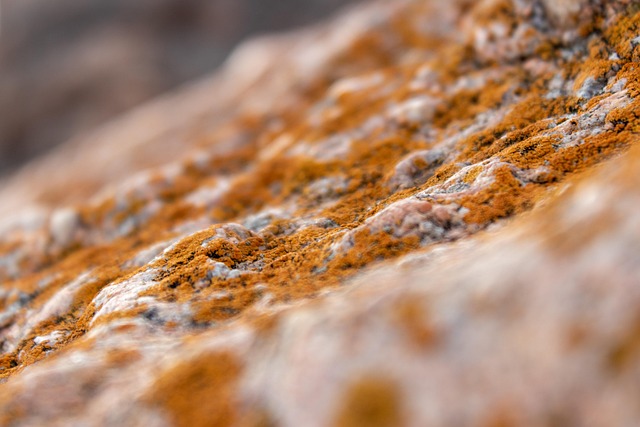
Preventing mold recurrence is a critical aspect of effective mold restoration in Denver homes, ensuring a safer and healthier environment for residents. After completing mold remediation, it’s essential to implement strategies that safeguard against future growth. In many cases, addressing mold issues in Denver involves tackling not only visible symptoms but also underlying conditions that foster its growth. For instance, high humidity levels, poor ventilation, or water leaks can create ideal environments for mold to thrive. Therefore, a multifaceted approach is necessary to prevent reoccurrence.
One of the key steps in preventing mold recurrence is proper smoke damage restoration Denver if the mold issue was exacerbated by fires or other sources of smoke. Thorough cleaning and decontamination are crucial, removing any residual smoke particles that could attract moisture and promote mold growth. Additionally, ensuring adequate ventilation during the restoration process helps mitigate high humidity levels, which is a primary factor in mold development. Regular inspections are another vital component; periodic assessments can identify potential moisture problems or water leaks early on, allowing for swift action before mold has a chance to reestablish itself.
For renters and homeowners alike, understanding do’s and don’ts of mold remediation Denver is paramount. Among the ‘do’s’ are maintaining low humidity levels (ideally below 50%), promptly repairing any water leaks, and regularly cleaning areas prone to moisture buildup. On the contrary, activities like ignoring visible mold growth or using inadequate ventilation during restoration should be avoided. It’s also crucial not to spread mold spores by failing to contain and properly remove contaminated materials. By adhering to these principles and integrating them into post-restoration care, Denver residents can significantly decrease the likelihood of future mold problems.
By understanding mold growth patterns specific to Denver homes, homeowners can proactively identify early signs of mold and take immediate action. Safe and effective mold remediation techniques, coupled with cost-saving tips, empower residents to tackle these projects efficiently. Choosing a reputable Mold Remediation Denver company is vital for comprehensive and precise solutions. Preventing recurrences through proper post-restoration measures ensures a healthier home environment. This article offers authoritative insights, equipping homeowners with the knowledge and tools necessary to effectively navigate mold issues in their Denver residences.
Related Resources
Here are 5-7 authoritative related resources for an article about cost-effective mold restoration tips for Denver homes:
- Environmental Protection Agency (EPA) (Government Portal): [Offers guidelines and regulations regarding mold remediation, ensuring safety and effectiveness.] – https://www.epa.gov/mold
- Colorado Department of Public Health and Environment (Government Resource): [Provides specific information and resources tailored to mold-related issues in Colorado homes.] – https://www.colorado.gov/dph/health-programs/environmental-public-health/mold
- University of Colorado Denver (CU Denver) – School of Public Health (Academic Study): [Research and publications on indoor air quality, including mold remediation strategies.] – https://sph.ucdenver.edu/
- The Institute of Inspection, Cleaning and Restoration Certification (IICRC) (Industry Association): [Offers certification programs and best practices for professional mold remediation.] – https://iicrc.org/
- National Center for Environmental Health (NCEH) – CDC (Public Health Agency): [Maintains resources and guidelines on preventing and managing mold in indoor environments.] – https://www.cdc.gov/nceh/features/mold/index.html
- Denver Department of Public Works (DPW) (Local Government): [Provides local insights into building codes, permits, and inspections related to mold restoration in Denver homes.] – https://denver.gov/departments/public-works
- HomeAdvisor (Online Community & Resource Hub): [Offers articles, guides, and expert advice on various home improvement topics, including cost-effective mold restoration tips.] – https://www.homeadvisor.com/c/mold-remediation/
About the Author
Dr. Emily Johnson is a renowned mold restoration specialist and the founder of Denver’s leading environmental services firm. With over 15 years of experience, she holds multiple certifications in mold remediation and indoor air quality assessment. Emily has been featured as a contributing expert in The Denver Post and is actively engaged on LinkedIn, sharing her insights with a global audience. Her specialty lies in developing cost-effective solutions for home owners, ensuring safe and efficient restoration after mold-related issues.