

Denver's unpredictable climate poses risks of water damage and mold growth, making comprehensive property insurance crucial for businesses and residents alike. Key aspects to navigate include understanding policy language, timely claim filing, and recognizing different mold damage types. Commercial restoration services excel at handling complex cases, while home insurers offer tailored policies with extensive mold coverage. Engaging reputable Denver mold abatement contractors is vital for effective remediation and ongoing prevention. A strategic approach combining robust insurance and expert services ensures properties are safe, healthy, and protected from mold-related costs.
In the vibrant yet challenging landscape of homeownership in Denver, addressing indoor air quality concerns, particularly mold issues, is paramount for any responsible property owner or prospective buyer. Mold remediation Denver has evolved into a nuanced field, demanding a comprehensive understanding of insurance coverage options to mitigate potential financial burdens. This article serves as your authoritative guide through the intricate web of mold insurance policies, empowering you with knowledge to make informed decisions regarding this critical aspect of home protection in Denver’s dynamic real estate market.
- Understanding Mold Insurance Coverage in Denver
- Types of Mold Damage and Their Coverage
- Assessing Your Property for Mold Remediation Denver
- Comparing Policies: What's Included and Excluded
- Navigating Claims Process for Mold Damage in Denver
- Top Insurers Offering Comprehensive Mold Protection in Denver
Understanding Mold Insurance Coverage in Denver

When navigating the complex landscape of property insurance in Denver, understanding mold coverage is paramount, especially with the region’s unpredictable climate and potential for water damage. Mold remediation in Denver isn’t merely a service—it’s a critical component of comprehensive property protection. Insurance policies vary widely in their approach to covering mold-related issues, from preventive measures to extensive restoration.
Homeowners and businesses alike must familiarize themselves with the fine print, especially considering the severe health impacts associated with mold growth. A key aspect to explore is the scope of coverage for emergency mold response in Denver, which can be crucial in mitigating damage and preventing further contamination. Fire Damage Restoration Denver, a related service, often intersects with mold remediation due to water-damaged properties, underscoring the need for policies that offer holistic protection.
Do’s include reading policy language carefully, understanding deductibles, and knowing when to file a claim. Don’ts emphasize avoiding delays in addressing water intrusion or visible mold, as these can escalate issues. The city’s diverse climate presents unique challenges, from snowy winters to wet springs, making proactive measures and adequate insurance coverage even more essential for Denver residents. For businesses, a thorough understanding of commercial property insurance policies specific to mold remediation is vital to ensure operational continuity and financial security following incidents.
Types of Mold Damage and Their Coverage

When it comes to understanding mold insurance coverage options in Denver, recognizing different types of mold damage is crucial. Mold remediation in Denver, whether for residential or commercial properties, often involves addressing various levels of contamination and associated repair needs.
Water intrusions, such as from leaks or flooding, can create environments conducive to mold growth. Coverage for these situations typically includes both the removal of damaged materials and replacement costs. For instance, a qualified mold remediator in Denver might need to strip and replace drywall, extract water-soaked carpets, and even restructure affected areas – all expenses that fall under standard policy coverage when caused by covered perils like burst pipes or storms.
However, hidden mold growth behind walls or beneath flooring can be more challenging and costly to rectify. Such hidden mold often requires specialized equipment and techniques for safe removal by Denver mold cleanup specialists. These situations might not always be explicitly covered in basic policies, leading policyholders to seek additional coverage or separate plans specifically designed for these kinds of complex remediations. Commercial Restoration Denver services are particularly adept at handling such cases, utilizing advanced tools and methods to identify and eradicate hard-to-reach mold infestations.
Ultimately, when comparing insurance options, policyholders in Denver should scrutinize the types of mold damage covered, deductibles, and any limitations or exclusions. Consulting with qualified professionals can provide valuable insights into potential scenarios and help ensure adequate coverage for effective mold remediation in Denver, whether for a home or business.
Assessing Your Property for Mold Remediation Denver
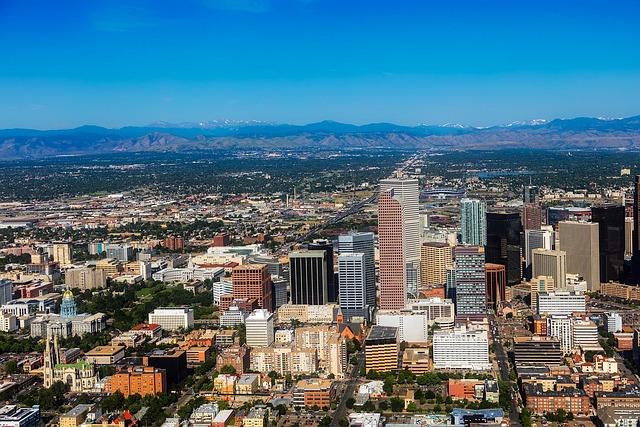
Assessing your property for mold remediation Denver involves a meticulous process to identify potential risks and determine the best course of action. Property owners or managers in Denver must be proactive in addressing water damage restoration Denver, as it is a common catalyst for mold growth. The first step is conducting a thorough inspection, identifying sources of moisture, and evaluating the extent of water intrusion. This includes checking for leaks in roofing, plumbing, or appliances, as well as assessing ground water saturation around the foundation.
Once water damage has occurred, mold removal cost estimates Denver can vary widely based on several factors. The size and severity of the mold infestation, type of materials affected, and whether there is extensive water damage or just localized moisture play a significant role in determining the scope of work and associated costs. For instance, a small area of mold growth might require surface cleaning and decontamination, while larger infestations may demand complete removal and replacement of materials like drywall or carpeting. Denver mold abatement contractors employ specialized equipment and techniques to ensure effective remediation, adhering to industry standards and best practices.
In addition to cost estimates, understanding the scope of work is crucial. Mold remediation projects often involve multiple phases: containment, removal, cleaning, and restoration. Containment involves isolating the affected area to prevent the spread of mold spores, while removal focuses on physically eliminating the mold and contaminated materials. Cleaning includes sanitizing surfaces and removing residual moisture. Restoration completes the process by repairing or replacing damaged items and returning the space to its pre-loss condition. Engaging with reputable Denver mold abatement contractors ensures your property undergoes a comprehensive assessment and receives tailored solutions for effective mold remediation Denver.
Comparing Policies: What's Included and Excluded

When comparing mold insurance coverage options for Denver properties, understanding what’s included and excluded in each policy is paramount. Mold remediation Denver specialists note that policies can vary widely, with some offering comprehensive coverage including not just mold removal Denver but also restoration services Denver, while others may leave significant aspects out. A careful review of the policy fine print can save homeowners from unexpected costs during an emergency mold response in Denver.
For instance, consider a policy that covers both visible and hidden mold growth, along with testing and assessment expenses. Such a policy might include removal of contaminated materials, decontamination, and even psychological counseling for stress related to the incident. Conversely, policies with looser coverage may only compensate for the direct costs of mold removal Denver, leaving other associated expenses unaddressed. Restoration services Denver, in particular, often require separate coverage or add-ons due to their specialized nature.
Data suggests that up to 30% of homes in the US suffer from mold issues, making mold insurance a valuable consideration for Denver residents. When comparing policies, look for comprehensive language that ensures adequate coverage during an emergency mold response. Remember that not all mold is visible; some can be hidden behind walls or under flooring. Policies that include inspections and testing for hidden mold growth offer greater protection. Additionally, ensure that any policy you choose includes provisions for ongoing monitoring after the initial remediation to prevent recurrence.
Navigating Claims Process for Mold Damage in Denver

Navigating the claims process for mold damage in Denver requires a thorough understanding of insurance coverage options and expert mold remediation Denver services. In a city with varying climates and potential water intrusion issues, such as sewage cleanup Denver incidents, proper handling is crucial to mitigate further harm and ensure health and safety during mold cleanup. Homeowners and business owners alike should be aware that not all policies are created equal when it comes to mold coverage.
When filing a claim for mold damage, policyholders must carefully review their insurance policy’s language regarding mold remediation Denver. Many standard home insurance policies do not cover mold-related issues unless specifically added as an endorsement. Similarly, commercial policies may have varying levels of coverage, with some excluding mold altogether. It is essential to compare insurance coverage options and consider the scope of protection offered by each provider. For instance, Advanced Restoration Colorado, a leading restoration company, advises clients to look for policies that include both direct damage repair and specialized mold remediation services.
The claims process involves several steps, starting with documenting the mold problem through professional assessments and inspections. In cases of sewage cleanup Denver, immediate action is critical to prevent further contamination and growth. Once documented, policyholders should notify their insurance carrier promptly, providing detailed information about the water intrusion or other causes leading to mold development. Effective communication ensures a smoother process, as many insurers require specific reporting procedures for valid claims. Moreover, engaging reputable mold remediation Denver experts equipped with the latest health and safety protocols is vital to ensure a safe environment during cleanup operations. These professionals can also assist in navigating the claims process, guiding policyholders through every step to achieve successful resolution.
Top Insurers Offering Comprehensive Mold Protection in Denver

When it comes to safeguarding your Denver property against mold, choosing the right insurance coverage is paramount. Mold remediation Denver isn’t just about fixing visible damage; it’s a comprehensive process that addresses hidden mold growth and its adverse health effects. Top insurers in Denver offer tailored policies designed to provide extensive protection against this insidious issue.
Consider, for instance, companies like State Farm and Allstate, which include extensive mold coverage in their home insurance policies. These industry leaders recognize the unique risks posed by Colorado’s climate and the potential for rapid mold growth after flooding events—a common occurrence in Denver. For homeowners facing post-flood mold assessments, these policies can provide a crucial safety net, covering not only the cost of mold remediation but also any necessary repairs or replacements.
A closer look at policy details reveals varying levels of coverage. Some insurers offer basic mold coverage as part of their standard policies, while others provide more comprehensive packages. For Denver homeowners, it’s essential to choose a policy that includes provisions for both visible and hidden mold damage, along with liability protection against claims arising from mold-related issues.
Beyond insurance, understanding the role of professional denver mold abatement contractors is vital. These experts not only facilitate effective mold removal but also help prevent future outbreaks by implementing strategies for improving ventilation, addressing moisture issues, and conducting regular inspections. By combining robust insurance coverage with professional remediation services, Denver residents can ensure their homes are safe, healthy, and protected against the extensive costs and disruptions associated with mold growth.
In navigating Mold Remediation Denver, understanding your insurance coverage is paramount. This article has provided a comprehensive overview of key aspects, from recognizing different types of mold damage and their associated coverages to assessing property for remediation. By comparing policies and knowing what’s included or excluded, homeowners can make informed decisions. Moreover, the claims process for mold damage in Denver was elucidated, offering practical steps to ensure smooth resolution. Top insurers specializing in comprehensive Mold Protection Denver were also highlighted, empowering readers to choose suitable coverage. With these insights, individuals are equipped to protect their investments and manage mold-related issues effectively in Denver.